
Readdy

From idea to draft

What can the readdy ai website builder make from your idea?

The readdy ai website builder is a way to start with a description rather than a blank page. Tell Readdy who the site is for, what it should say, and the action visitors should take; then inspect the draft before treating it as ready to publish.

This page discusses Readdy as a separate product. The sponsored Try Begin links offer a narrower alternative: recreate an existing site’s homepage from its domain, preview it, and download static code for your own hosting.

Have an existing website domain?

Begin needs the domain of an existing public website, not a written prompt. Enter it after you open Begin; this guide does not transfer your address there.

Open Begin to enter a domain
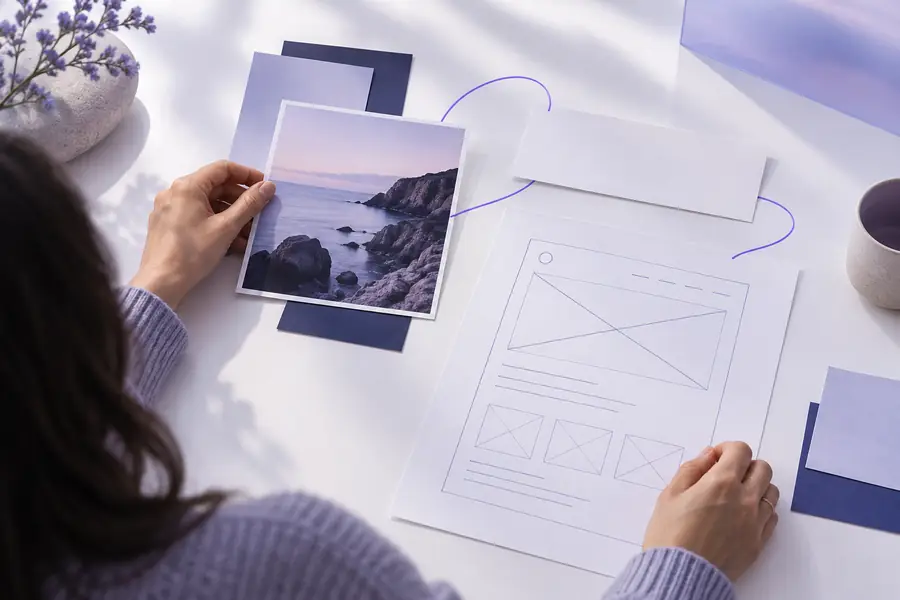
Illustrative website-page concept, not a product screenshot

Start with the question behind your project

A useful builder draft depends on a useful brief. Choose the angle that answers your immediate question before you spend time refining colors or copy.

Three practical moves

From description to reviewable page

Treat generation as the start of a workflow, not a substitute for planning, editing, or checking the finished experience.

  1. 1

    Write for a specific visitor

    Name your audience, the page's purpose, and its essential sections. For a local service, that might mean a clear offer, service area, hours, and contact information. Give Readdy actual details where you have them; a vague request leaves more decisions to the draft.

  2. 2

    Inspect the proposed structure

    Look at the order of sections before polishing individual sentences. Can a visitor identify the offer, find supporting information, and reach the intended next step? A visually convincing layout can still bury the answer someone came to find.

  3. 3

    Revise and verify

    Replace generic claims with accurate copy, check images and contact details, and review the page on a narrow screen. Test every visible action yourself. If the draft misses the brief, clarify the audience or required sections and iterate instead of accepting an attractive mismatch.

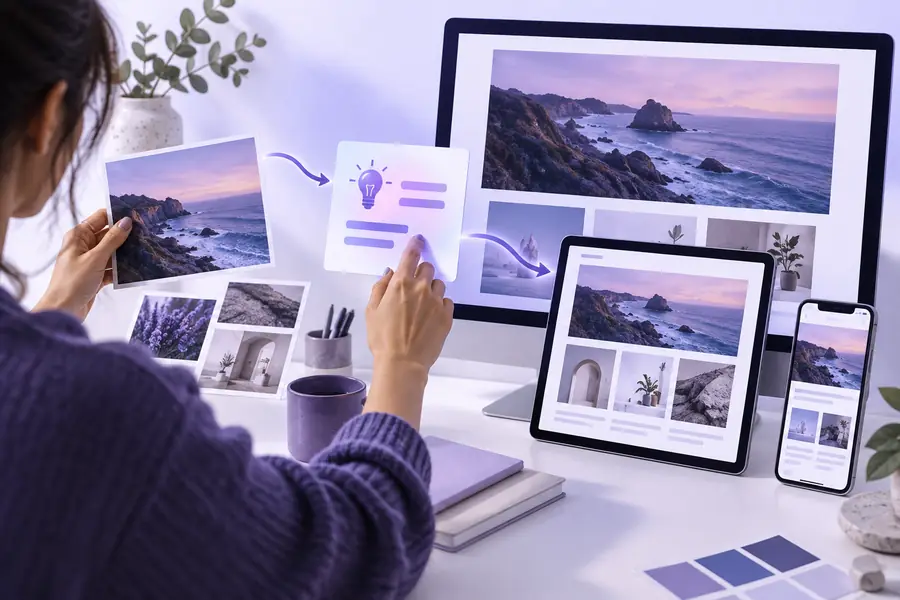
See the shift from brief to visual draft

The useful comparison is not simply whether the second view looks polished. Ask whether it represents the instructions in the first view and gives a visitor a clear path through the page.

  • Starting brief
  • Draft to inspect

These interface views illustrate the workflow, not a guaranteed result from the example prompt. A preview cannot confirm that business facts are correct, forms work, or the final page meets accessibility needs.

Website generation interface showing the starting point for a page brief
Visual editor preview showing a website draft for review

Where a first draft helps—and where it needs you

The readdy ai website builder can help different people get past the blank-page stage. The final check changes with the job the page must do.

Local business owner

You need a straightforward page for services, hours, location, and a way to make contact.

Use Readdy to sketch the information hierarchy, then verify the address, opening times, and every contact route before sharing it.

what is readdy

Independent designer

You want a visual starting point for a client conversation, not a finished client deliverable.

Use the draft to discuss layout and tone. Bring your own brand assets, check the wording with the client, and make revisions based on their audience.

readdy ai reviews

Project founder

You need to explain an idea and see whether a simple website communicates it clearly.

Draft a focused page around the problem, proposed solution, and next step. Compare workflows if you also need behavior beyond a website page.

readdy ai vs lovable

Community organizer

You are outlining an event page with a schedule, venue details, and attendee instructions.

Let the builder organize the sections, but confirm dates, accessibility details, and the destination of any registration link yourself.

is readdy ai free

Turn a concrete brief into something you can evaluate

Start with the page your visitors need

Describe the audience, the information they came for, and the action they should be able to take. Let Readdy give you a draft to examine, then edit the claims, test the links, and check the layout at different screen widths. The strongest starting prompt includes real constraints; the strongest finished page survives a careful human review.

Clone an existing homepage with Begin
  • Name the audience and purpose
  • List the sections that matter
  • Check facts and actions before publishing

Readdy website builder FAQ

You can use a written brief to start a website page draft, such as a service page, portfolio introduction, or event page. The result is a starting point for reviewing structure and presentation, not proof that every detail is accurate or ready to publish.

State who the page is for, what it must communicate, and which sections it needs. Include real names, hours, or other facts only when you can verify them, and specify the action you want a visitor to take.

Yes. Review the copy for unsupported claims, check that the section order makes sense, and replace any generic details with your own. You should also test links and visible actions and inspect the layout on a phone.

A business page is a reasonable use for a first draft if you can supply its audience, services, and contact information. Before publishing, verify operational details and make sure the page answers the questions real customers are likely to ask.

Compare each required section and key fact against the page you received. Then follow the page as a new visitor would: look for the main offer, supporting details, and a clear next step. If any of those are missing, revise the brief or edit the draft.

Begin Try Begin homepage clone